
PW IOI Career Services Explained: From Resume Building to Interview Cracking
 Aarti .11 Jul, 2026
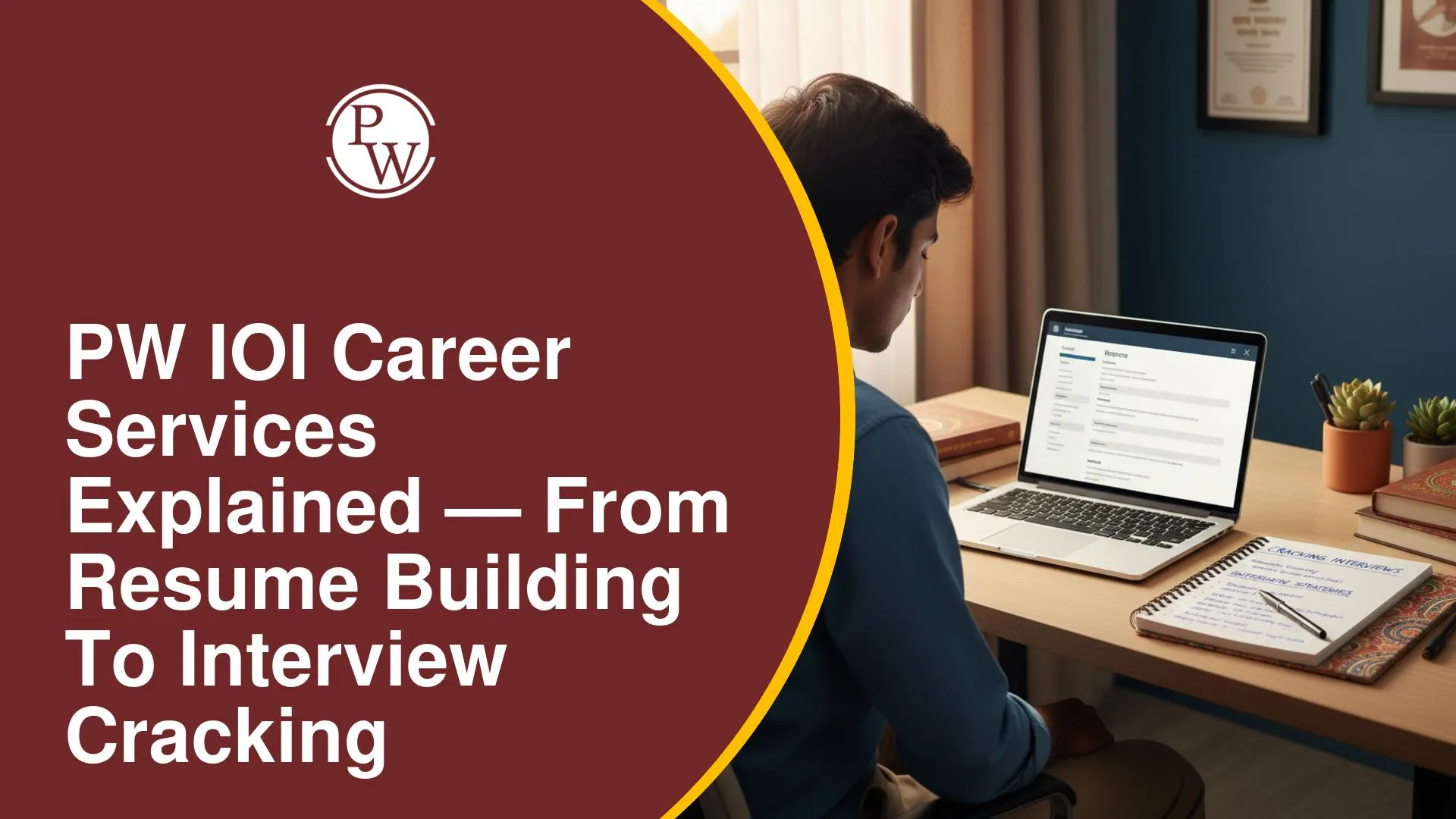
Strong technical skills alone are not always enough to secure internships or job opportunities. Recruiters also evaluate how effectively you present your experience, explain your projects, and demonstrate problem-solving abilities during interviews. Many students learn programming and complete projects but struggle to convert those skills into career opportunities because they lack guidance on resume writing, portfolio development, and interview preparation.
At PW Institute of Innovation (PW IOI), career preparation runs alongside technical learning. Through structured support in resume building, portfolio development, coding assessments, interview preparation, and personalised mentorship, students learn how to showcase their skills effectively and prepare for internships and full-time careers.
Why Are Career Services Important Alongside Technical Learning?
Learning to code or building projects is important, but recruiters evaluate much more than technical knowledge.
When you apply for an internship or a full-time role, recruiters often look at:
-
Your resume
-
Your project portfolio
-
Problem-solving ability
-
Communication skills
-
Interview performance
-
Practical experience
Even if you have good technical skills, they can be difficult to demonstrate if your resume isn't well organized or your projects aren't presented clearly.
Career preparation helps you connect everything you've learned into a profile that recruiters can easily understand. Instead of waiting until placement season, preparing alongside your learning gives you enough time to improve your resume, strengthen your portfolio, practice interviews, and build confidence.
What Career Services Does PW IOI Offer?
Career preparation involves several stages, with each one helping you move closer to internship and job opportunities.
Resume Building
Your resume is often the first thing a recruiter sees. Instead of listing every technology you've learned, a strong resume highlights the projects you've built, the problems you've solved, and the impact of your work.
Career guidance helps you organize your resume so your technical skills, practical experience, and achievements are presented clearly. As you build more projects, your resume also evolves to reflect your latest work.
Portfolio Development
A resume tells recruiters what you've done, but your portfolio shows them. A portfolio can include:
-
Live applications
-
AI or software projects
-
GitHub repositories
-
Case studies
-
Hackathon projects
When recruiters can explore your work, they gain a much better understanding of your technical abilities than they would from certifications alone.
This is especially valuable for roles in software development, AI, product development, and startups, where practical experience often carries significant weight.
Interview Preparation
Interviews involve much more than answering technical questions. Depending on the role, you may also discuss:
-
Your projects
-
Challenges you solved
-
Teamwork
-
Communication
-
Decision-making
-
Career goals
Interview preparation helps you explain your work more clearly, answer questions with confidence, and communicate your ideas in a structured manner.
For business and client-facing roles, communication skills become just as important as technical knowledge.
Coding and Assessment Preparation
Many companies begin their hiring process with coding assessments or technical evaluations.
Preparing for these rounds includes improving problem-solving skills, practicing coding questions, and becoming familiar with online assessment formats.
Regular practice also helps you become more comfortable solving problems within a limited time.
Mentorship and Career Guidance
Career preparation is an ongoing process. As you continue learning and building projects, mentors can help you identify areas for improvement, provide feedback on your resume and portfolio, and guide you toward opportunities that match your interests.
Instead of making major changes just before interviews, continuous feedback allows you to improve gradually throughout your learning journey.
How Do These Career Services Prepare You for Internships and Jobs?
Career preparation is more than building technical skills. To improve your chances during the hiring process, you also need a strong resume, a portfolio that showcases your work, and the confidence to explain your projects during interviews. Career services help you prepare for each of these stages by enabling you to:
-
Build a resume that highlights practical projects and technical skills.
-
Create a portfolio that showcases real applications instead of only certifications.
-
Explain your projects clearly during technical and HR interviews.
-
Develop the confidence to discuss your problem-solving approach with recruiters.
Rohit Makani's journey reflects how these elements come together. Instead of relying only on certifications, he built AI products such as InsightForge AI, giving recruiters concrete examples of his technical skills and problem-solving ability. His project portfolio helped him secure a Founding Product & AI Engineer role at Ikshan AI, with a compensation package of ₹10 LPA and ₹20 lakh in ESOPs.
His journey shows how practical projects, combined with a strong resume, portfolio, and interview preparation, can strengthen your profile and help you stand out during the hiring process.
How Does the Career Preparation Journey Work?
Career preparation is not a single activity completed before placements. It develops alongside your learning and project work. A typical journey looks like this:
Learn Technical Skills
↓
Build Practical Projects
↓
Create a Resume
↓
Develop Your Portfolio
↓
Practice Interviews
↓
Apply for Internships and Jobs
↓
Receive Feedback and Improve
↓
Convert Opportunities into Offers
Each step builds on the previous one. As your technical skills improve, your projects become stronger. Those projects strengthen your resume and portfolio, while interview preparation helps you explain your work with greater confidence.
By improving each stage gradually, you become better prepared for different hiring processes.
What Skills Do Recruiters Look for Beyond Technical Knowledge?
Recruiters evaluate more than your ability to write code. They also want to understand how you approach problems, communicate ideas, and work with others.
Some of the skills commonly assessed during hiring include:
-
Problem-solving
-
Communication
-
Project ownership
-
Team collaboration
-
Adaptability
-
Product thinking
-
Presentation skills
Different roles emphasize different skills.
Preparing for Startup Roles
Startup hiring often focuses on your ability to take initiative, solve problems, and build real projects rather than your CGPA alone.
A good example is Harsh Tiwari, who joined Jumpp as a Product & Growth Intern. His journey shows why it's important to tailor your resume and portfolio for startup roles. Instead of using the same resume for every application, career guidance helps you highlight project ownership, execution, and problem-solving skills that startup recruiters value.
Preparing for Business and Communication-Focused Roles
Career preparation is equally important for roles beyond software development.
For example, Iffa Naaz joined K12 Techno Services as a Business Development Manager. Roles like these require strong communication, presentation, and interview skills in addition to a well-organised resume. Career guidance helps you present your experience clearly, communicate with confidence, and prepare for interviews based on the requirements of your target role.
How Can You Make the Most of PW IOI Career Services?
Career support becomes more valuable when you actively use it throughout your learning journey.
You can make the most of these services by:
-
Updating your resume as you complete new projects.
-
Building a portfolio that showcases your best work.
-
Participating in hackathons and practical projects.
-
Practising technical and HR interview questions regularly.
-
Asking mentors for feedback on your resume and portfolio.
-
Improving your communication alongside your technical skills.
-
Customising your resume for different roles instead of sending the same version everywhere.
Small improvements made consistently can have a significant impact when internship and placement opportunities arrive.
PW IOI Career Services FAQs
When should you start building your resume?
Why is a portfolio important?
Does interview preparation only cover technical questions?
Can career support help if you want a non-technical role?
Why should you customize your resume for different companies?