

Why Industry-Integrated Degrees Are Replacing Traditional Ones

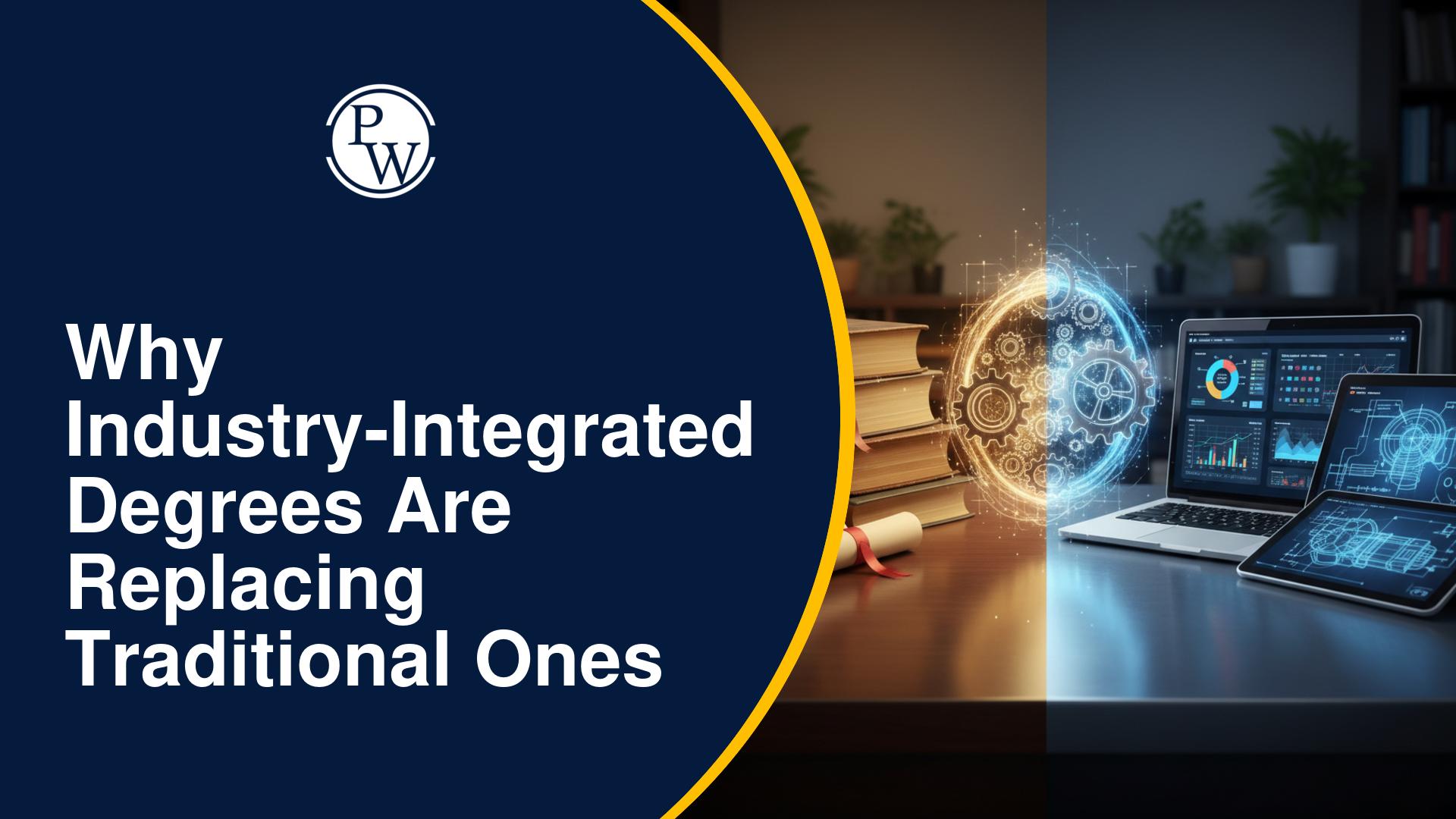
Many students today are no longer choosing a degree based only on the subject they want to study. They also want to know whether their education will help them build useful skills and prepare them for future opportunities. Traditional classroom learning gives academic knowledge, but many students now look for more practical exposure during their studies.
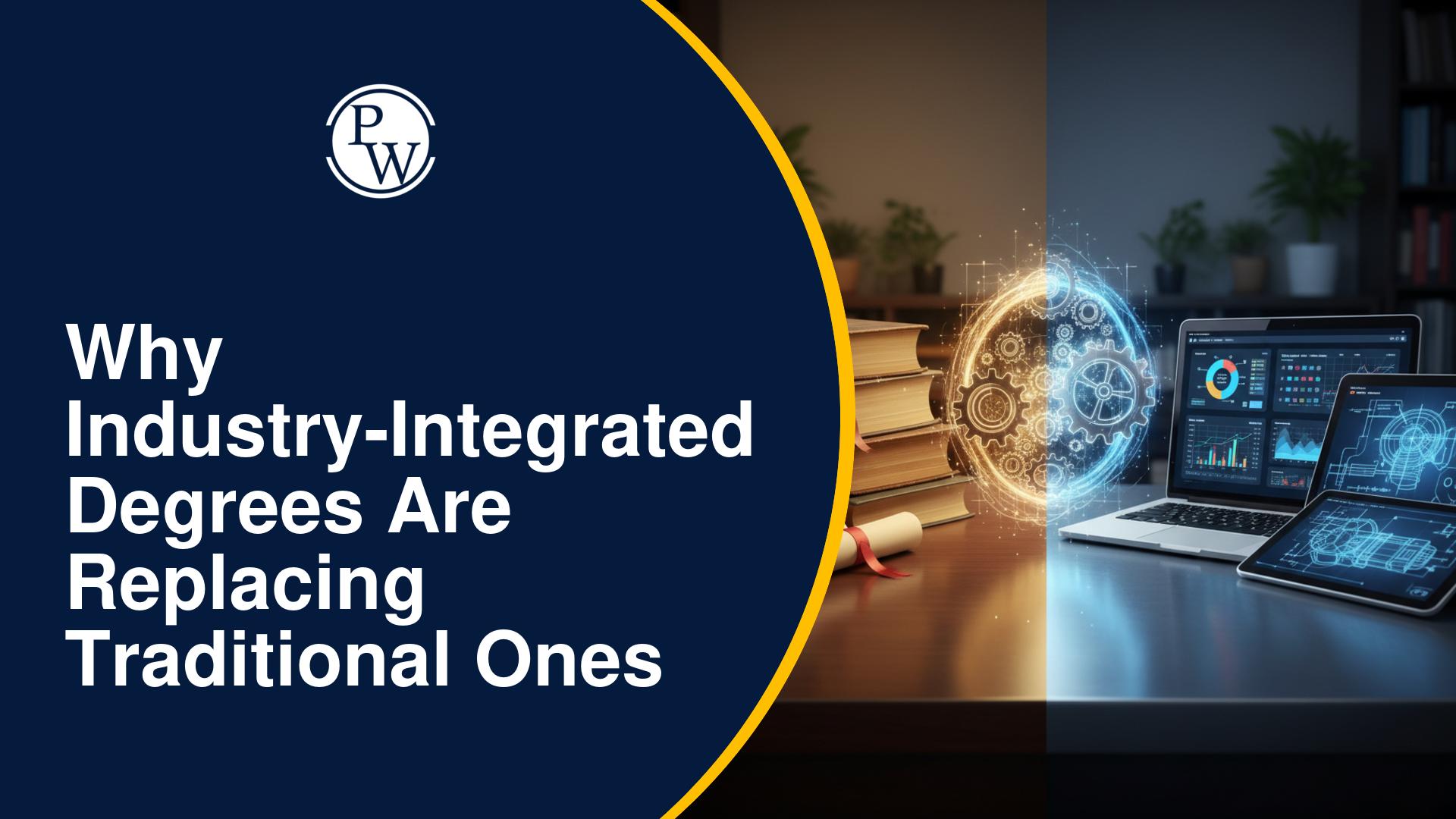
This growing need is one of the reasons why industry-integrated degrees are replacing traditional ones. By combining academics with practical learning, problem-solving, entrepreneurship exposure, and skill development, these degrees aim to make learning more connected to real situations and everyday application.
What Is the Modern Learning Ecosystem of Industry-Integrated Degrees?
The overall curriculum for industry-integrated degrees is ideally categorised into these four cohorts: Experiential Learning, Entrepreneurship, Skill-Based Learning, and Traditional Academic Subjects. This integrated approach is precisely why industry-integrated degrees are gaining prominence over traditional ones.
1. Experiential Learning
This segment requires practical application, moving beyond theoretical knowledge to engage students directly in real-world scenarios. It involves tasks such as doing practicals, solving business problems, and conducting case studies. The emphasis is on "learning by doing," which is important for developing critical thinking, problem-solving abilities, and a deep understanding of complex issues that are routinely encountered in professional environments.
For example, in strategic management, experiential learning involves actively discussing a company's strategic decisions and strategic direction.
Students don't just read about strategies; they perform actual work by analyzing real-world business challenges and proposing solutions. This approach encourages students to think critically and strategically, similar to how a business leader would (e.g., thinking like a Google CEO), rather than just memorizing facts. It prepares them to navigate the complexities of corporate operations and leadership effectively.
2. Entrepreneurship
This segment demands self-initiative and innovation, requiring individuals to function as founders or entrepreneurs, even within established organizations (intrapreneurship). It cultivates a proactive mindset, encouraging students to identify opportunities, take calculated risks, and drive projects forward independently. This is given value in modern workplaces, where agility and innovation are paramount.
The entrepreneurship segment encompasses all aspects of a venture, including business strategy, marketing, finance, and human resources. By understanding these diverse facets, students develop a holistic perspective on how businesses operate and succeed.
3. Skill-Based Learning
This category focuses on acquiring specific tools and capabilities that are directly applicable and highly sought after in the job market. While academic knowledge provides the foundation, practical skills enable students to immediately contribute and perform specific tasks. These skills bridge the gap between theoretical understanding and operational execution, enhancing employability.
Examples include learning proficiency in Excel for data analysis and reporting, Python for automation and programming, and Communication skills for effective collaboration and presentation. These capabilities are essential for modern professional environments, helpful in managing data efficiently and interacting with teams and clients. The focus here is on developing a toolkit that makes students immediately productive.
4. Academic Subjects
This segment covers typical academic subjects such as Accounts, providing the foundational theoretical knowledge that underpins all practical applications. While industry-integrated degrees prioritize hands-on experience, a strong theoretical base is essential for understanding principles, context, and the "why" behind various professional practices.
It's important to note how even traditional subjects are adapted. For example, marketing is strategically placed within Experiential Learning. The emphasis is on understanding marketing through case studies of different companies, discussion, and debate, rather than solely through theoretical reading. This approach recognizes that marketing is a dynamic field best understood through real-world application, consumer behavior analysis, and market trend observation, making it more relevant and engaging for students.
Why Practical Learning Matters for Career Growth
A curriculum that combines practice, skills, and academics can help students:
-
Understand concepts more clearly
-
Develop confidence in solving problems
-
Improve communication and collaboration
-
Connect learning with future opportunities
-
Build adaptable thinking for changing industries
The focus moves from simply completing a degree to building usable capabilities. By combining foundational knowledge with practical application, entrepreneurial thinking, and essential skills, these programs effectively address the demands of the modern job market, preparing graduates for dynamic, challenging, and rewarding careers.
How PW IOI Reflects the Shift Towards Industry-Integrated Learning
As students increasingly seek education that goes beyond traditional classroom teaching, industry-integrated learning is emerging as a key focus in modern education. This approach emphasizes practical understanding, real-world application, and continuous exposure to industry practices alongside academic study.
The learning model at PW IOI reflects this shift by combining core academic concepts with experiential learning, skill development, and hands-on engagement with real industry scenarios. Students are encouraged to apply theoretical knowledge through projects, case studies, and practical problem-solving activities that mirror real workplace challenges.
This integrated approach highlights the growing demand for educational experiences that not only build strong subject knowledge but also develop practical skills, critical thinking, and industry readiness throughout the degree journey.
FAQs
Q1: What defines an industry-integrated degree?
Q2: Why is experiential learning so important in modern education?
Q3: How does entrepreneurship contribute to a student's development?
Q4: What kind of skills are considered essential in the 'Skilling' segment?
Q5: Do traditional academic subjects still have a place in industry-integrated degrees?