

PW IOI Students Built a URL Shortener and a DSA Platform — Live Projects That Got Them Hired
Getting hired as a software developer today requires much more than learning programming languages or solving coding problems. Recruiters increasingly look for candidates who can build complete applications, solve practical problems, and demonstrate their technical abilities through real-world projects.
At PW Institute of Innovation (PW IOI), students are encouraged to move beyond classroom assignments and develop production-ready applications that solve practical problems. Projects like Minili.info and DooCode show how hands-on development, product thinking, and continuous improvement help students build stronger portfolios and prepare for successful software engineering careers.
Why Live Projects Matter in Software Placements
Live projects bridge the gap between classroom learning and industry expectations. They allow students to apply technical concepts while solving practical problems, building scalable applications, and gaining hands-on development experience.
Working on production-ready applications helps students:
-
Apply full-stack development skills.
-
Build strong technical portfolios.
-
Solve real-world user problems.
-
Gain practical experience with modern development tools.
-
Demonstrate problem-solving abilities during interviews.
For recruiters, these projects provide tangible evidence that candidates can build software beyond theoretical exercises.
Minili.info: A Full-Stack URL Management Platform
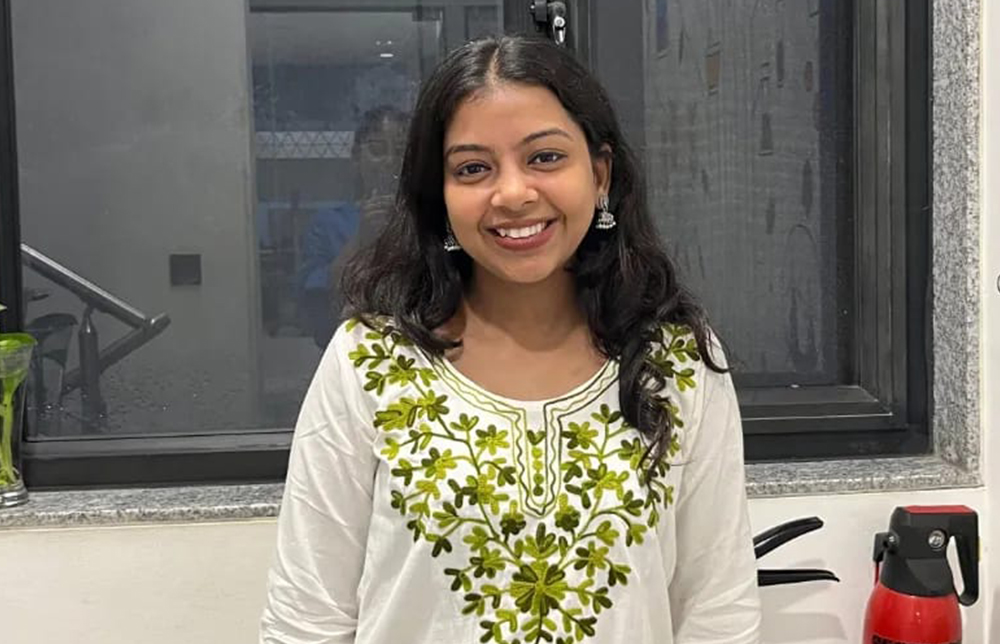
Built by Miteshkumar Gopalbhai Agrawal, Minili.info started as a simple URL shortener before evolving into a complete link management platform.
Instead of limiting the application to basic URL shortening, the platform was continuously expanded with features commonly found in modern SaaS products.
Features Developed
The platform includes several practical features, including:
-
Custom aliases for branded short links
-
Password-protected links
-
One-time access links
-
QR code generation
-
Click tracking and analytics
-
Clean and responsive user interface
Technologies Used
Minili.info was built using the MERN Stack, including:
-
MongoDB
-
Express.js
-
React
-
Node.js
Building the platform involved designing backend architecture, developing REST APIs, integrating databases, implementing authentication, and creating an intuitive frontend experience.
Beyond developing the application, the project gave Miteshkumar valuable experience in building scalable software that strengthened his technical portfolio.
DooCode: Making Coding Interview Preparation More Structured
Rohit Sah recognised that many aspiring developers struggled to prepare for coding interviews in a structured way. To address this challenge, he developed DooCode, a platform designed to organise coding practice and make interview preparation more effective.
By focusing on a genuine problem faced by software engineering students, Rohit transformed an idea into a practical application that demonstrates both technical expertise and user-focused product development.
Features Developed
DooCode offers features such as:
-
Comprehensive coding practice
-
Interview-oriented problem sets
-
Progress tracking
-
User-friendly navigation
-
Streamlined learning interface
Skills Applied
Developing DooCode required expertise across multiple areas of software development, including:
-
Application architecture
-
Database management
-
API development
-
User authentication
-
Frontend development
-
User experience design
By solving a challenge familiar to many aspiring developers, Rohit created a project that strengthened his portfolio while demonstrating end-to-end software development skills.
What These Projects Demonstrate
Beyond showcasing coding ability, both projects demonstrate the end-to-end development skills that employers expect from software engineering candidates.
These include:
-
Full-stack web development
-
Database design and management
-
API development and integration
-
Authentication and security implementation
-
Responsive frontend development
-
Product design and user experience
-
Problem-solving and feature development
-
End-to-end software deployment
Building complete applications helps students explain technical decisions confidently during interviews while providing strong portfolio projects to showcase their capabilities.
How Live Projects Help Students Get Hired
Practical applications like Minili.info and DooCode help students build stronger placement profiles by showcasing their ability to solve real-world problems. Live projects help candidates:
-
Showcase technical expertise beyond coursework.
-
Build an impressive developer portfolio.
-
Gain experience working on production-level applications.
-
Stand out during technical interviews.
-
Demonstrate initiative, creativity, and product thinking.
Instead of relying solely on certifications or academic scores, students can present applications that recruiters can explore and evaluate directly.
What Aspiring Developers Can Learn
The journeys of Miteshkumar Gopalbhai Agrawal and Rohit Sah demonstrate that meaningful projects can become powerful career assets. While every developer follows a different path, there are several common lessons that aspiring software engineers can apply:
Solve Real Problems
Projects become stronger when they address genuine user needs.
Build Complete Applications
Recruiters value candidates who can develop end-to-end solutions.
Keep Improving
Iterating on projects demonstrates product thinking and long-term commitment.
Showcase Your Work
A live project strengthens a portfolio and gives recruiters something tangible to evaluate.
Building live applications teaches far more than completing classroom assignments. The journeys of Miteshkumar Gopalbhai Agrawal and Rohit Sah show how solving real problems, improving products through continuous development, and showcasing practical skills can strengthen a developer's portfolio and improve placement opportunities.
For aspiring software engineers, every project is an opportunity to learn, build, and demonstrate industry-ready skills that employers value.