
Why Engineering Students Need Practical Experience Alongside Classroom Learning

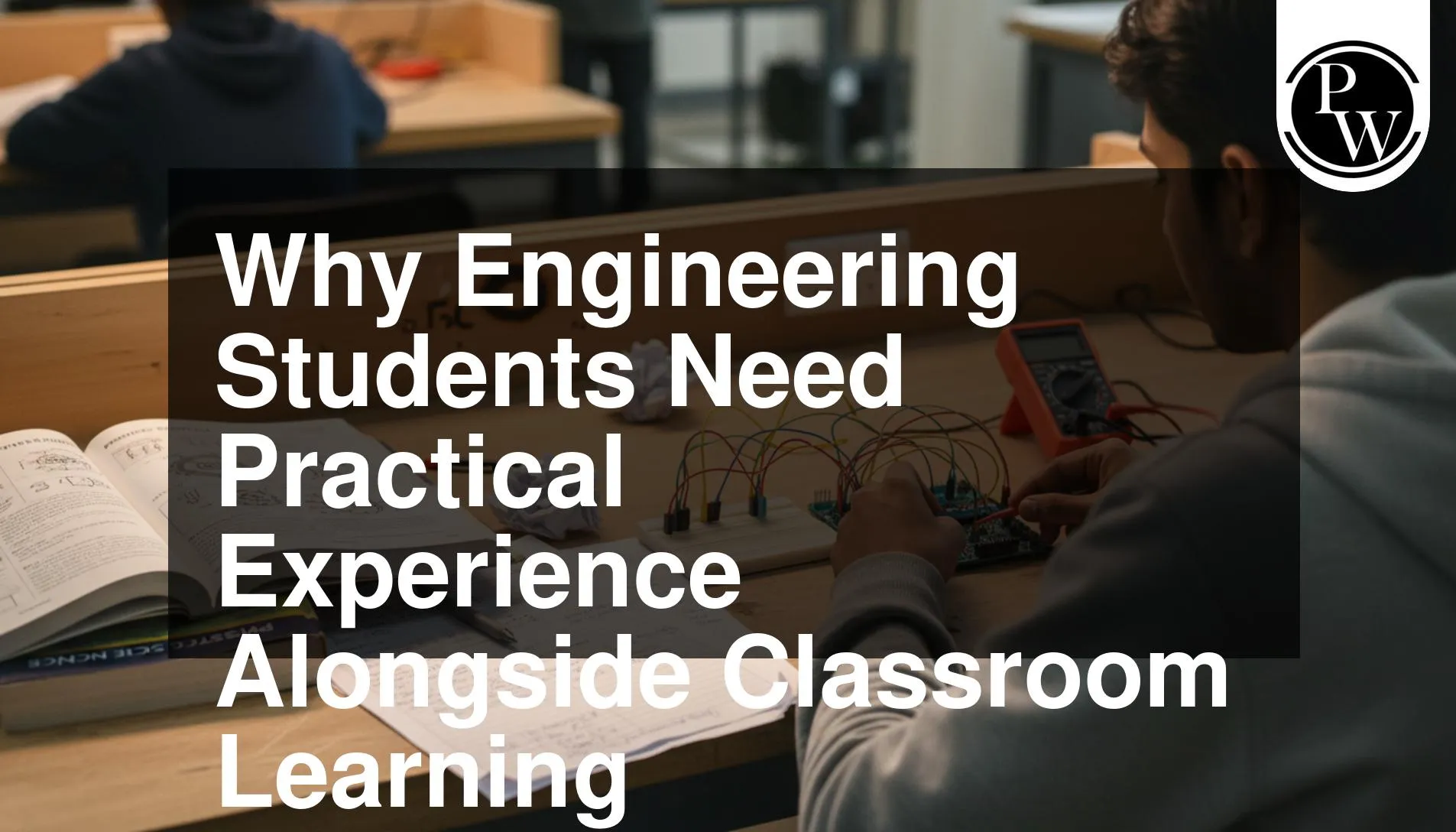
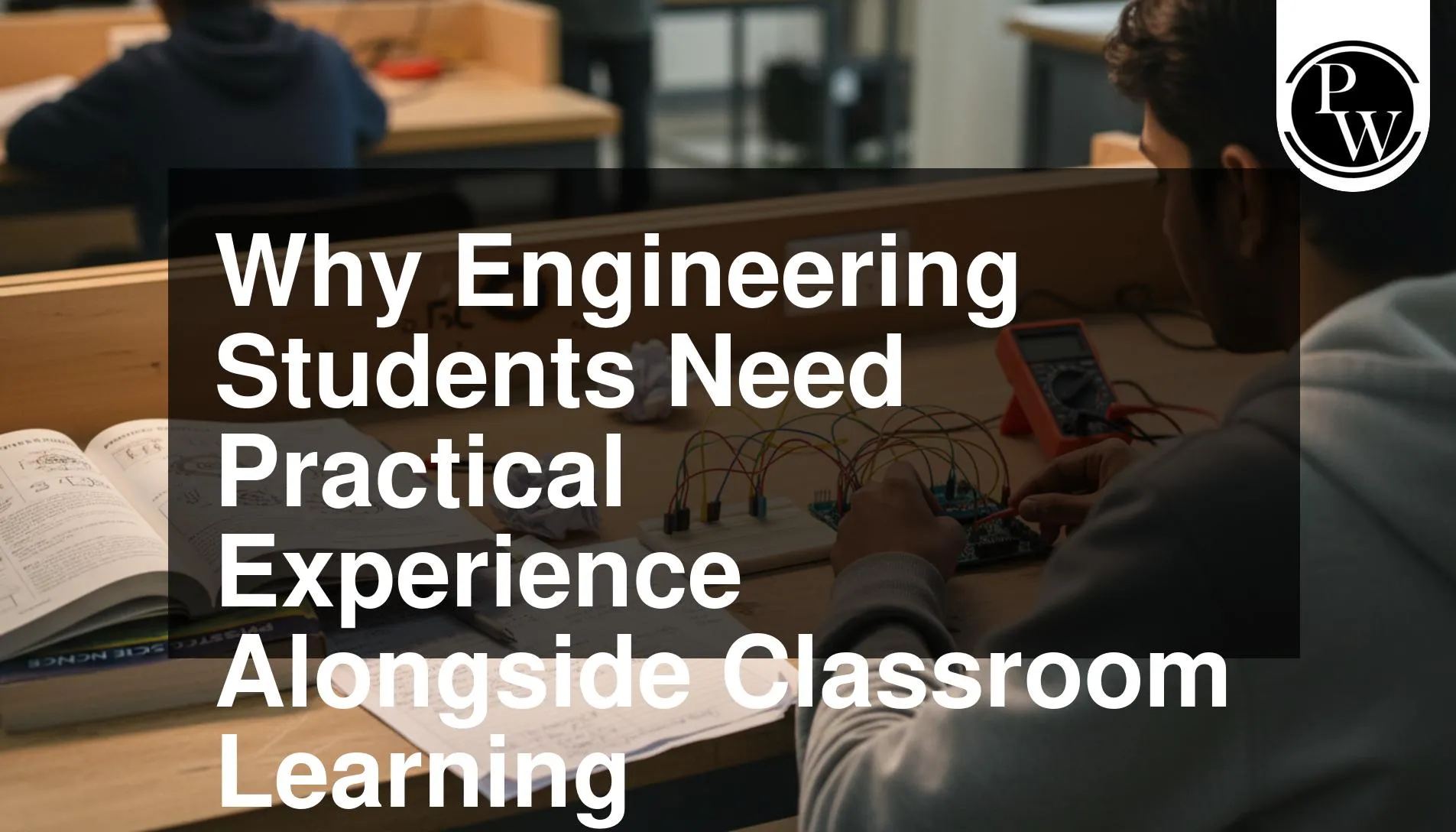
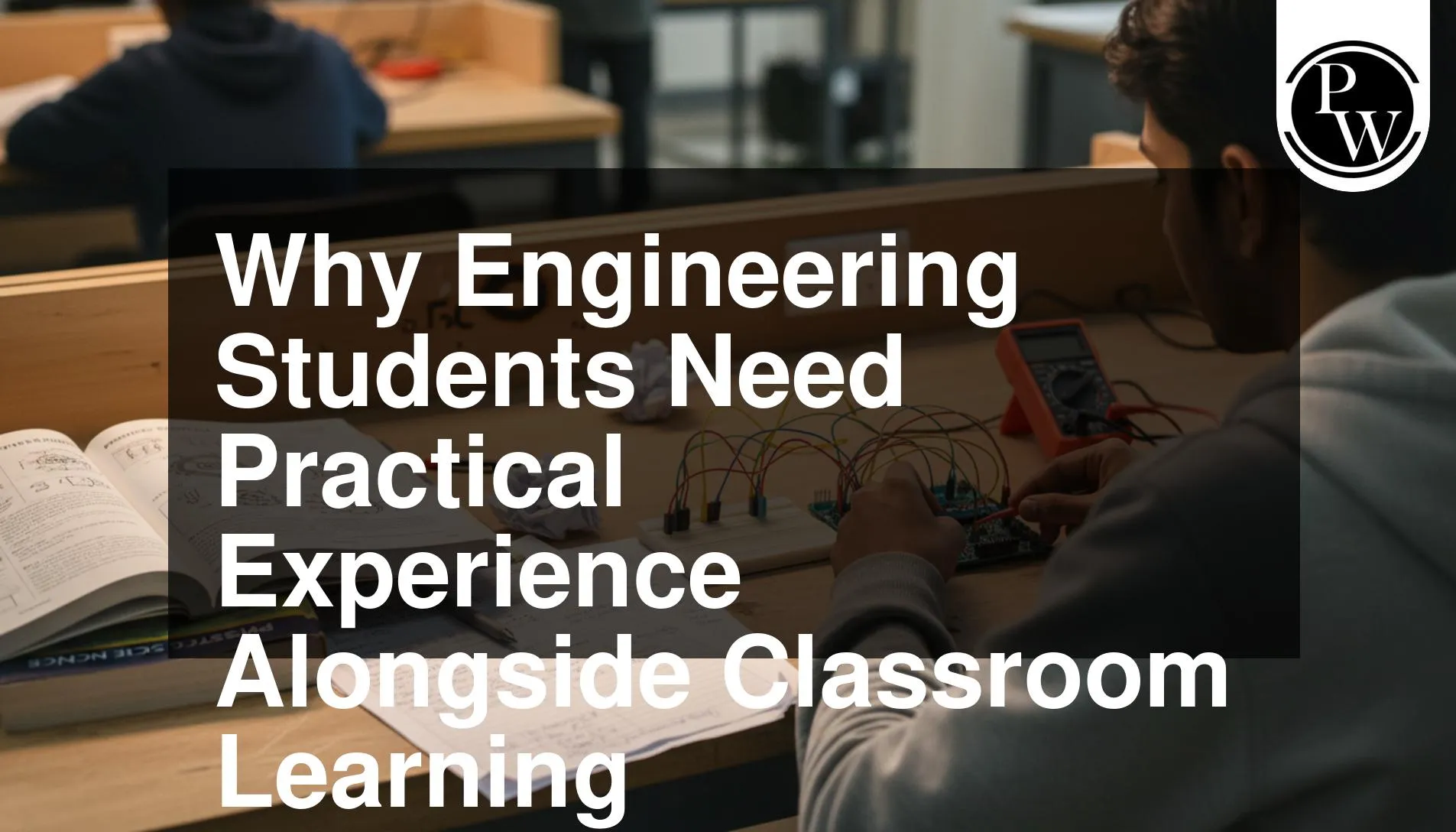
Engineering education builds a strong foundation through classroom concepts and theories, but knowing a concept does not always mean knowing how to apply it in a practical setting. Without hands-on exposure, you may have fewer opportunities to practise problem-solving, work on projects, and understand how technical knowledge is used beyond the classroom.
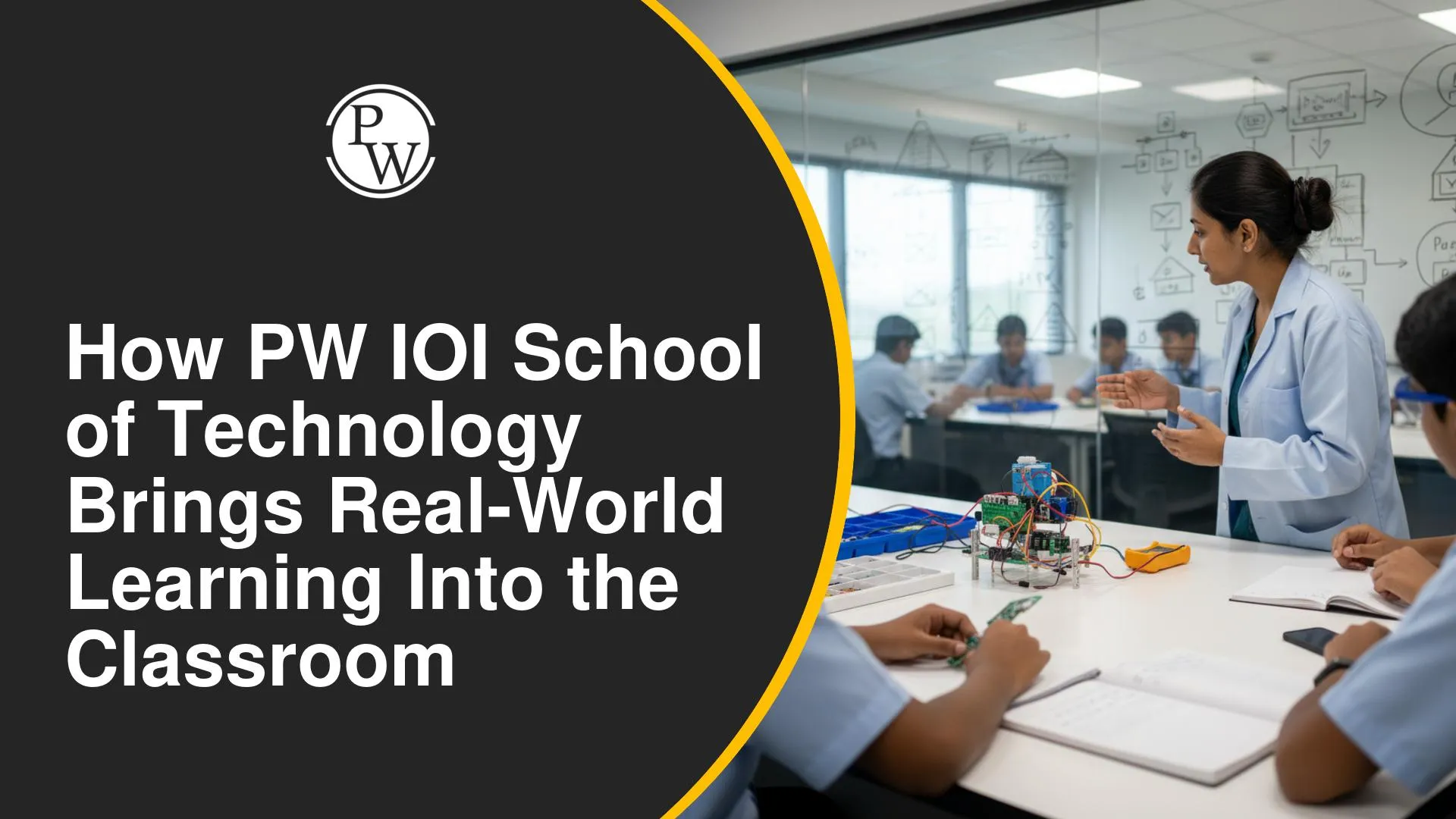
PW Institute of Innovation (IOI) follows this approach through its 4-Year Computer Science and AI Program, combining classroom learning with project-based learning, hands-on activities, internship exposure from Year 1, and industry-linked experiences. The programme provides a degree from Medhavi Skills University, a UGC-recognised Skills University.
Why Do Engineering Students Need Practical Experience Alongside Classroom Learning?
Practical experience complements classroom learning because the two approaches focus on different aspects of education. Classroom learning helps you understand what a concept is and how it works, while practical learning gives you opportunities to apply that knowledge.
Here are some ways practical experience complements academic learning:
|
Classroom Learning |
Practical Experience |
|
Builds conceptual understanding |
Applies concepts to practical problems |
|
Introduces theories and principles |
Tests those concepts through projects and activities |
|
Develops subject knowledge |
Builds experience using that knowledge |
|
Covers technical concepts |
Provides opportunities to practise technical skills |
|
Focuses on academic learning |
Introduces professional and industry contexts |
For example, learning programming in class can help you understand syntax, logic and programming concepts. Building a project allows you to use those concepts to create something, identify errors, and solve problems during development.
Practical experience can therefore help you:
-
Apply concepts: Use classroom knowledge in projects and practical tasks.
-
Develop problem-solving skills: Work through problems that require more than theoretical understanding.
-
Build technical skills: Practise using programming languages, software and other tools.
-
Understand industry applications: See how technical knowledge is used in professional settings.
-
Work on projects: Experience different stages of developing a solution.
-
Improve communication: Explain projects, ideas and solutions to others.
What Types of Practical Experience Can Engineering Students Gain?
Practical experience does not have to come only from internships. You can build exposure through different activities during your degree.
Projects:
Projects allow you to apply multiple concepts to a specific problem or outcome. You can involve development, analysis, testing, and presentation.
Workshops and Labs:
Practical sessions give you opportunities to work with concepts through activities rather than relying only on theoretical explanations.
Internships:
Internships introduce you to professional environments and provide opportunities to work on tasks related to your field.
Industry Exposure:
Industry interactions and immersion can help you understand professional workflows and how academic knowledge is applied in different roles.
On-the-Job Learning:
This provides exposure to practical work while allowing you to apply relevant skills in an industry-linked environment.
Using a combination of these experiences can give engineering students exposure to both academic concepts and the practical applications.
How Does Practical Learning Help Build Career-Ready Skills?
The value of practical learning is not limited to technical knowledge. Working on projects and practical tasks can also involve problem-solving, collaboration, communication and presenting solutions.
Depending on the learning activity, you may develop skills such as:
-
Programming and coding
-
Data analysis and visualisation
-
Problem-solving
-
Project development
-
Technical communication
-
Collaboration
-
Presentation
-
Understanding practical workflows
These skills can complement the academic knowledge students develop during their degree and help them understand how their subjects relate to different technology and business applications.
How Does PW Institute of Innovation Provide Practical Experience Alongside Classroom Learning?
PW Institute of Innovation (IOI) combines classroom education with practical learning through its 4-Year Computer Science and AI Program.
The programme includes:
-
Project-Based Learning
-
Hands-on Learning
-
Internship Exposure from Year 1
-
Mentor-Guided Learning
-
Real-World Workshops & Labs
-
On-the-Job Learning & Industry Immersion
-
Industry-Integrated Curriculum
-
AI & Technology-Focused Curriculum
Physics Wallah Institute of Innovation acts as the Industry Skilling Partner and facilitates on-the-job learning, experiential learning, and industry immersion as part of the curriculum.
The programme follows a project-based approach and provides practical workshops, labs, and projects reflecting real-world problem-solving. This allows practical activities to form part of the academic learning experience rather than being limited to a separate stage after graduation.
Classroom learning provides the foundation for understanding engineering concepts, while practical experience gives you opportunities to apply that knowledge through projects, internships, workshops, and industry exposure. Combining both can help connect academic learning with practical applications. The PW Institute of Innovation follows this approach through its 4-Year Computer Science and AI Program, which includes project-based learning, hands-on activities, internship exposure from Year 1, mentor-guided learning, and industry-linked experiences.